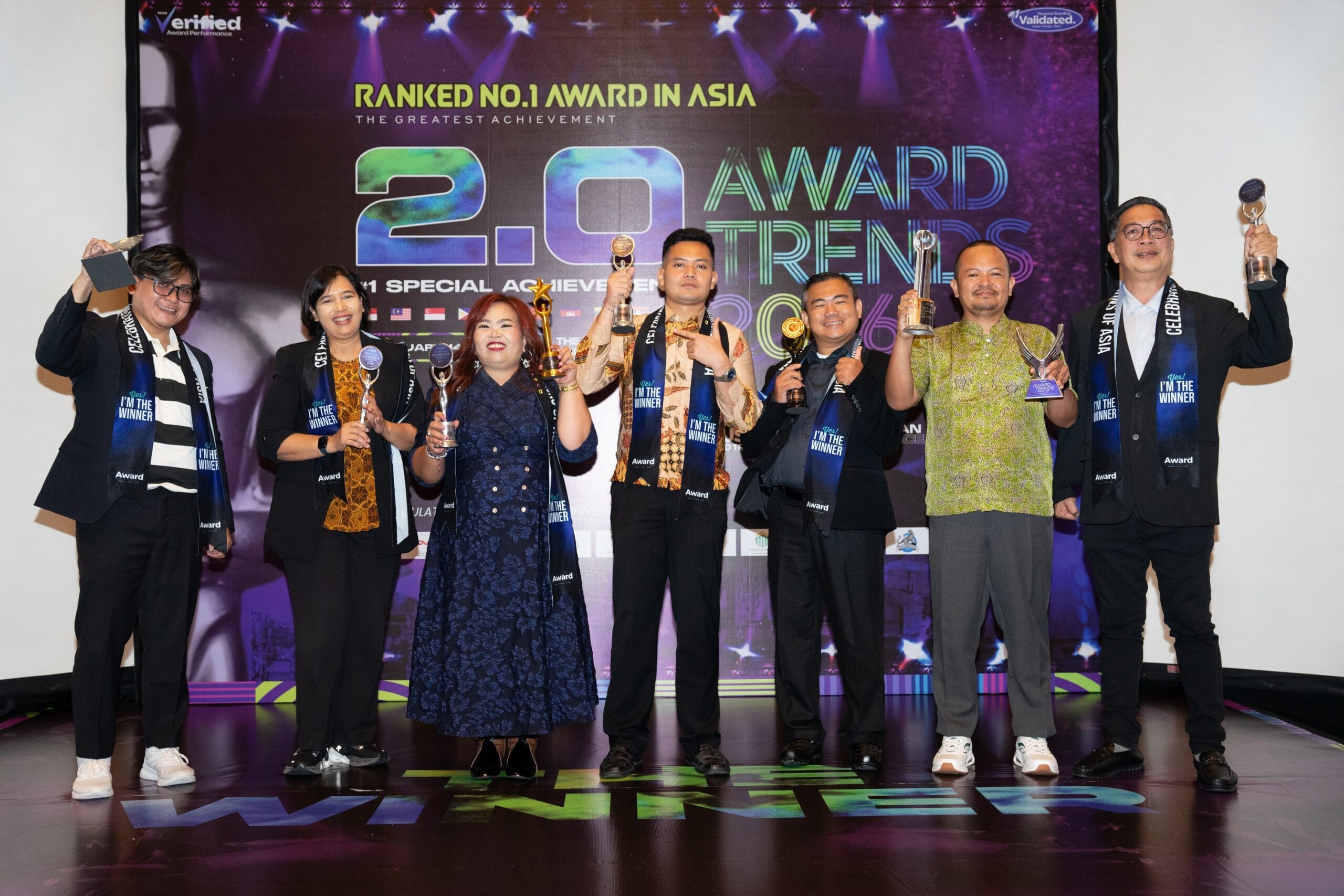
Indonesia’s professional and governance ecosystem continues to evolve amid rapid regional transformation. On February 14, 2026, the 2.0 Award Trends Summit 2026 convened at Trans Resort Hotel – Bali, gathering entrepreneurs, bureaucrats, corporate directors, institutional leaders, and senior professionals under one roof.
The event was initiated by GP Rajasa Pranadewa and organized by Award Magazine, positioning itself not only as a recognition ceremony but also as a reflective forum examining Asia’s shifting leadership standards.
In his keynote remarks, GP Rajasa Pranadewa emphasized that governance and corporate leadership in Asia are entering a phase of recalibration. “We are witnessing stronger regulatory expectations, deeper digital integration, and greater public demand for accountability. Leadership must evolve accordingly,” he stated.
From a regional policy perspective, the summit highlighted how Indonesia is strengthening institutional credibility while maintaining economic growth momentum. Many of the award recipients are leaders who have successfully implemented structural reforms within their organizations — from digital transformation in corporate environments to service optimization in public institutions.
Panel discussions explored themes such as policy alignment with ASEAN economic integration, institutional transparency, and sustainable development strategies. Observers noted that recognition platforms can indirectly influence governance benchmarks by promoting best practices and reinforcing reputational incentives.
Bali, long regarded as a gateway between Asia and the global community, provided an appropriate backdrop for a conversation that extended beyond national boundaries. The summit’s tone remained formal yet analytical, reflecting the broader regional discourse on leadership accountability and performance measurement.
As Asia continues to navigate economic shifts and technological acceleration, forums like the 2.0 Award Trends Summit 2026 serve as barometers of institutional maturity. The event underscored that professional recognition, when grounded in measurable impact and governance standards, contributes to shaping a more resilient regional leadership landscape.