
In today’s era, one thing is becoming increasingly clear: those who have a brand have leverage. Not only product brands, but also personal brands, institutional brands, and even national brands. Amid a global economy that is increasingly competitive and uncertain, personal and business branding is no longer just about image—it has evolved into a true economic driver.
Culturally, Indonesia actually has strong foundational capital. We live in a society that deeply values reputation, recognition, and social legitimacy. Historically, titles, positions, and awards have always carried strong symbolic meaning. However, in the global era, that meaning has evolved. Reputation is no longer merely about status; it is about trust and credibility in the eyes of the international market.
In the language of global economics, branding is an intangible asset. It may not be recorded as a physical asset, but its impact is real: it increases investor confidence, accelerates decision-making, and expands market access. A strong brand lowers perceived risk. And in economics, the lower the risk, the greater the likelihood of capital inflows.
For Gen Z—a generation that is digital-native, globally exposed, and highly competitive—branding is not about looking cool on social media. Branding today is about a narrative of value and impact: who you are, what you contribute, and why you matter. Strong personal branding gives individuals greater bargaining power—they are more trusted, taken more seriously, and able to open opportunities across industries and borders more easily.
At the business level, branding plays an even more strategic role. A strong brand creates pricing power, loyalty, and resilience during economic slowdowns. In the Indonesian context, this is crucial to drive the growth of MSMEs, startups, and national companies so they can move up the value chain—from local players to regional players, and even global contenders.
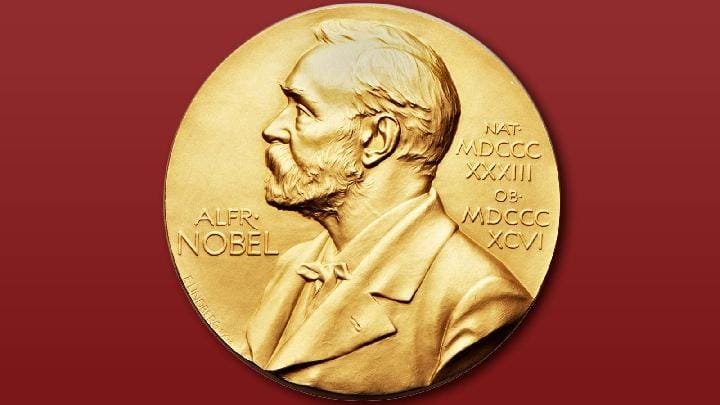
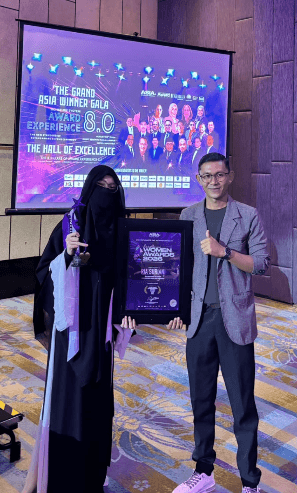
This is where the international awards industry comes in as an accelerator. Credible awards function as third-party validation—objective proof that an individual or business truly has quality and impact. In the global economy, this validation is essential to reduce information asymmetry. The market no longer has to guess who is genuinely trustworthy.
Culturally, awards also align well with Indonesian society’s respect for achievement. But at the international level, their function goes beyond symbolic prestige. They build trust capital—long-term capital based on credibility. This trust capital then transforms into real economic opportunities: strategic partnerships, access to financing, and market expansion.
Interestingly, Gen Z is in the most strategic position in this phase. They understand that brand is currency. They do not only want to work, but to be recognized. Not just to sell products, but to build meaning. Authentic, consistent, and validated branding creates a domino effect—personal growth, business expansion, and tangible contributions to the national economy.
In conclusion, personal and business branding is not merely a communication strategy. It is trust infrastructure in the modern economy. For Indonesia, building a culture of credible branding—including through internationally recognized awards—is a strategic step toward sustainable economic growth. In the global era, those who are trusted will grow, and those who grow will lead.