
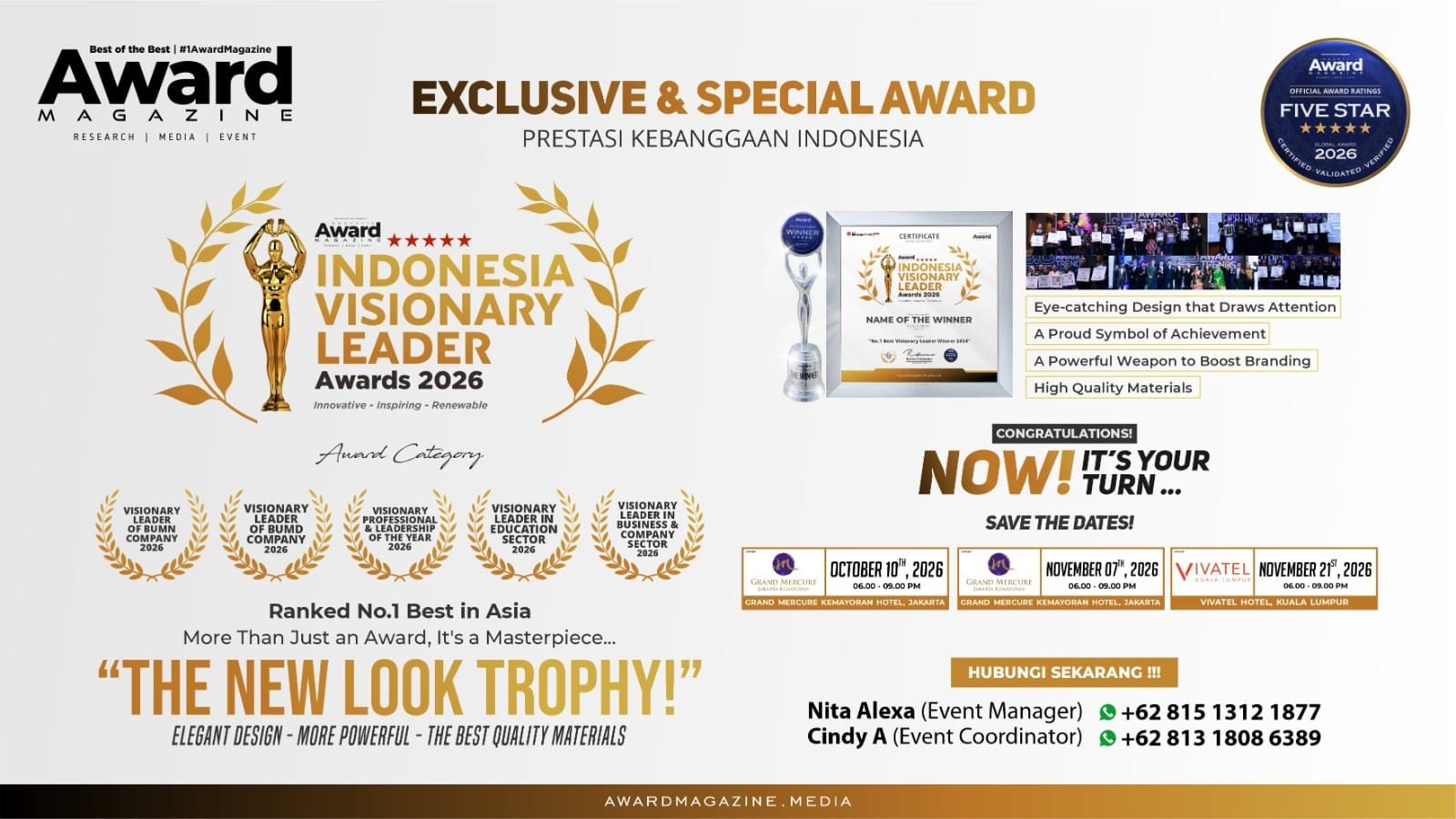


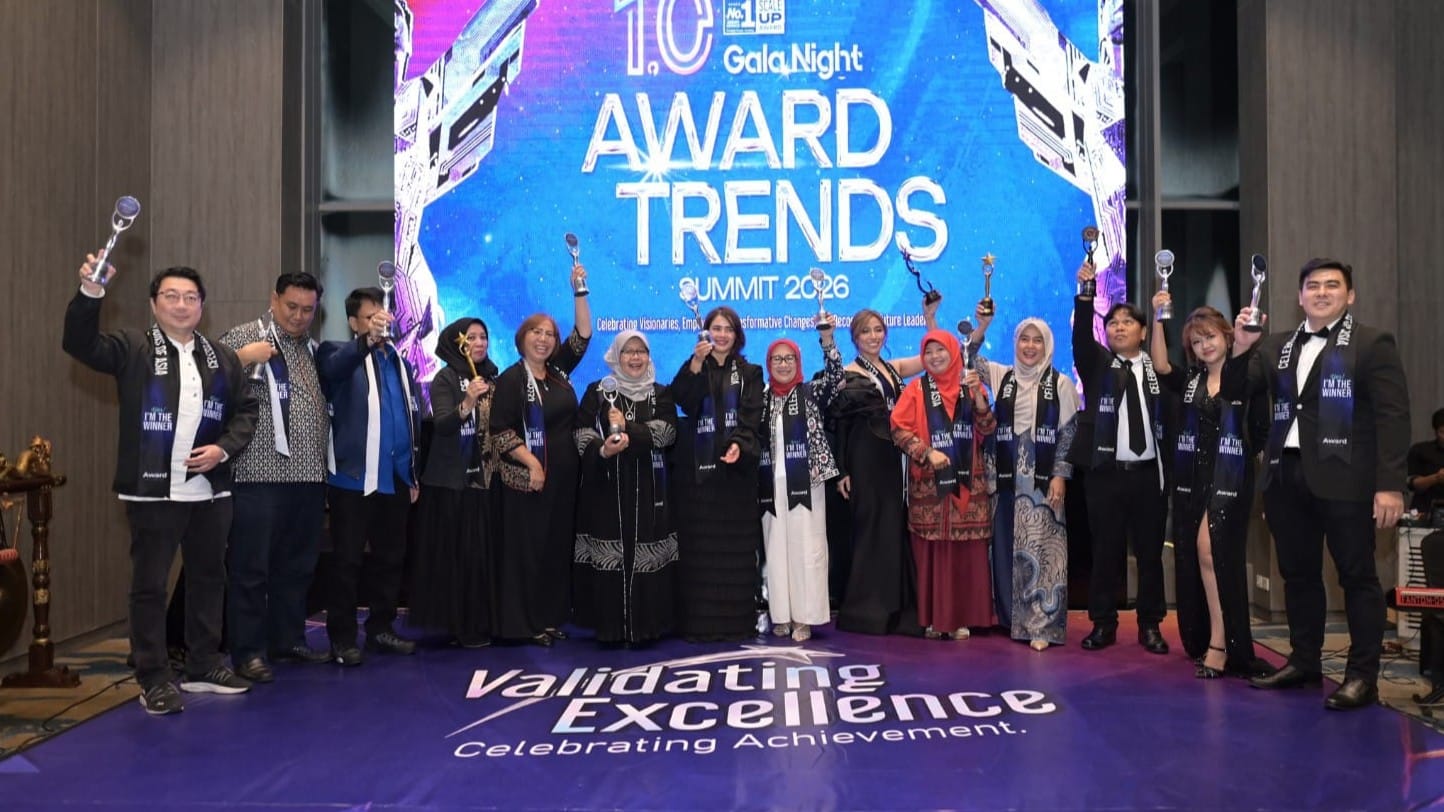
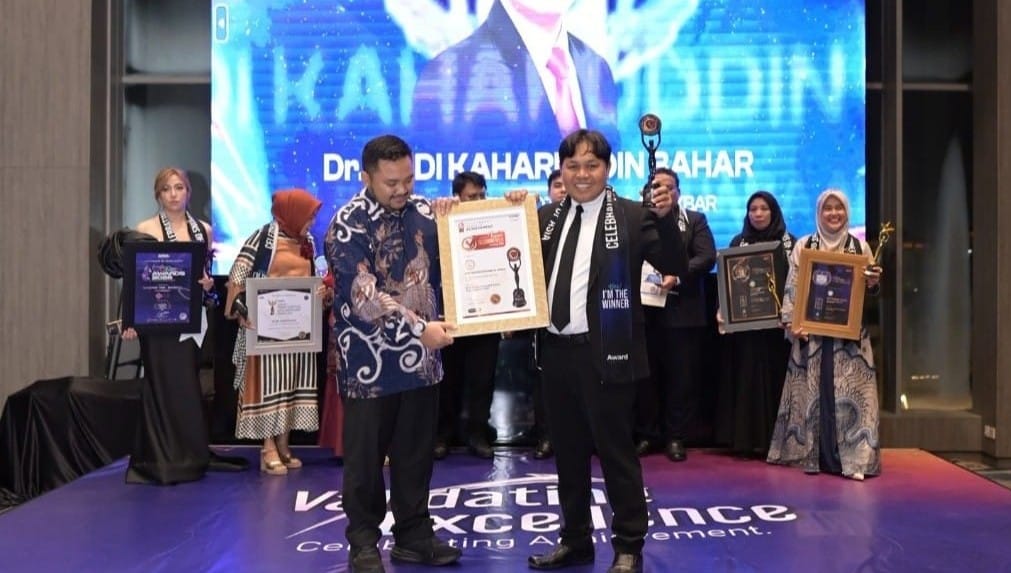
Jakarta — In Jakarta on Saturday, 24 January 2026, SMP Tahfidz Mutiara Al Akbar Makassar received the #1 Most Recommended School Award Winner 2026 in an Award Magazine awarding night, a moment that signals how quickly Indonesia’s integrated tahfidz school model is entering a broader regional conversation. What looks like a single school recognition is also a lens into a bigger policy question: how education systems respond to rising demand for character formation, structured learning, and credible governance at the same time.
The award was accepted by Dr. Andi Kaharuddin Bahar, S.IP, M.Hum, who is presented publicly as the founder and foundation patron. In post event remarks carried by local coverage, he framed the recognition as a trust mandate, not merely a ceremonial finish, with a stated focus on strengthening quality and collaboration. This kind of messaging matters because it aligns with what policymakers across ASEAN keep returning to: trust in education is built through consistency, standards, and transparency, not slogans.
What makes the Makassar based institution notable is its positioning as an integrated pathway that combines tahfidz development with academic structure, delivered in a boarding school environment. Its public identity highlights character formation and civic values, a framing that resonates with a growing segment of families across the region who want moral grounding alongside modern competencies. The school’s own public facing channels also communicate this identity consistently.
Yet beyond branding, education credibility increasingly hinges on governance. Indonesia has strengthened visibility of school administration data, and official listings show SMP Tahfidz Mutiara Al Akbar as a private junior secondary school in Makassar under a foundation, including operational licensing information. For observers, this matters because formal legitimacy reduces uncertainty for parents and makes policy supervision easier, especially in fast growing private education segments.
A regional policy angle sits here: integrated education models are expanding faster than the quality assurance systems built to evaluate them. Awards can amplify visibility, but they also raise a public interest expectation for institutions to show measurable learning outcomes, student wellbeing safeguards, qualified staffing, and clear governance. This is where regulators and education ecosystems have work to do, ensuring that innovation in school models is matched by robust accountability mechanisms.
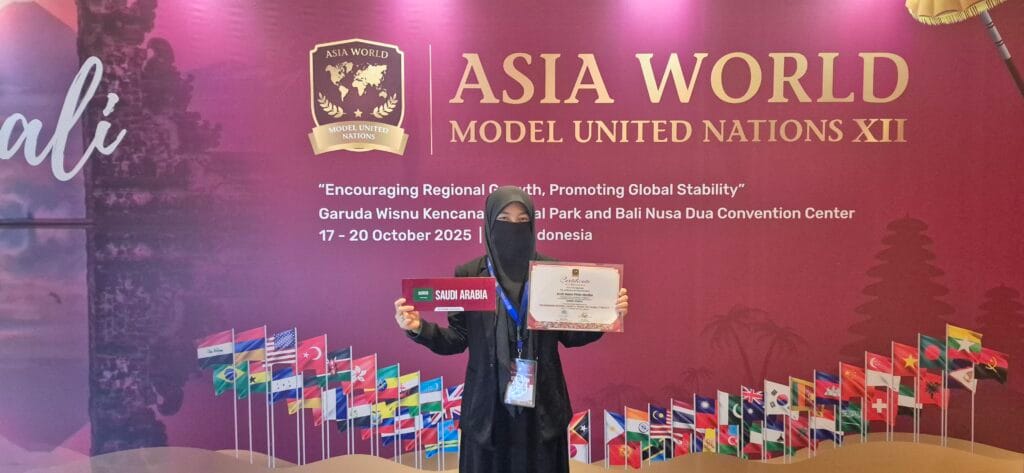
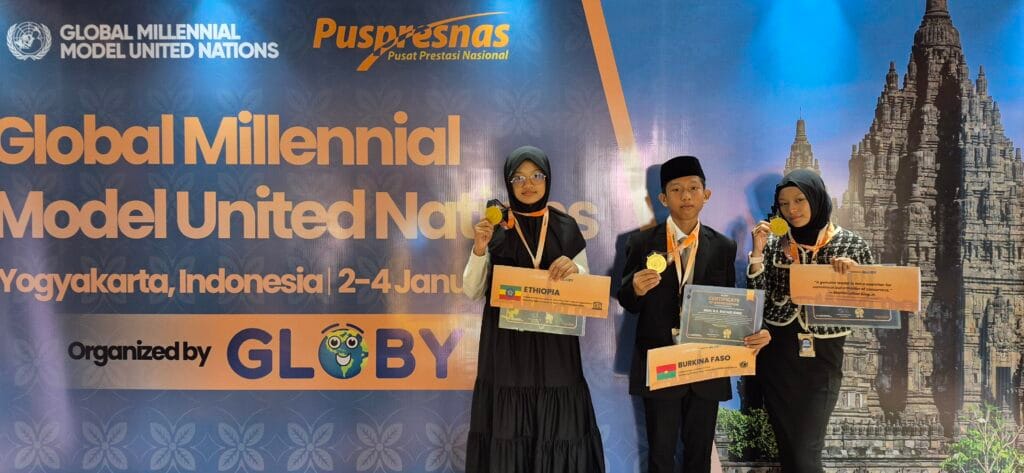
It is also worth noting why this conversation is crossing borders. ASEAN education is increasingly tied to mobility, cross cultural competence, and future workforce readiness. A school that builds discipline and character can gain even more relevance when paired with communication and leadership training. Youth programs like Model United Nations, widely popular across the region, illustrate the skills layer families now expect: confident public speaking, negotiation, and teamwork in diverse environments.
For SMP Tahfidz Mutiara Al Akbar Makassar, the Jakarta recognition is a milestone. For the broader region, it is a reminder that education policy is no longer just about curriculum, but also about governance, trust, and the ability of schools to develop students who are both grounded and prepared to participate in a connected ASEAN future.