
Phong Nha-Ke Bang’s two World Travel Awards 2026 highlight Vietnam’s tourism ambitions while placing greater attention on conservation, governance and cross-border sustainability.
The latest international recognition for Phong Nha-Ke Bang National Park comes at a moment when tourism policy in Southeast Asia is facing a familiar but increasingly complex question: how can countries expand the economic benefits of tourism without compromising the natural assets on which many destinations depend?
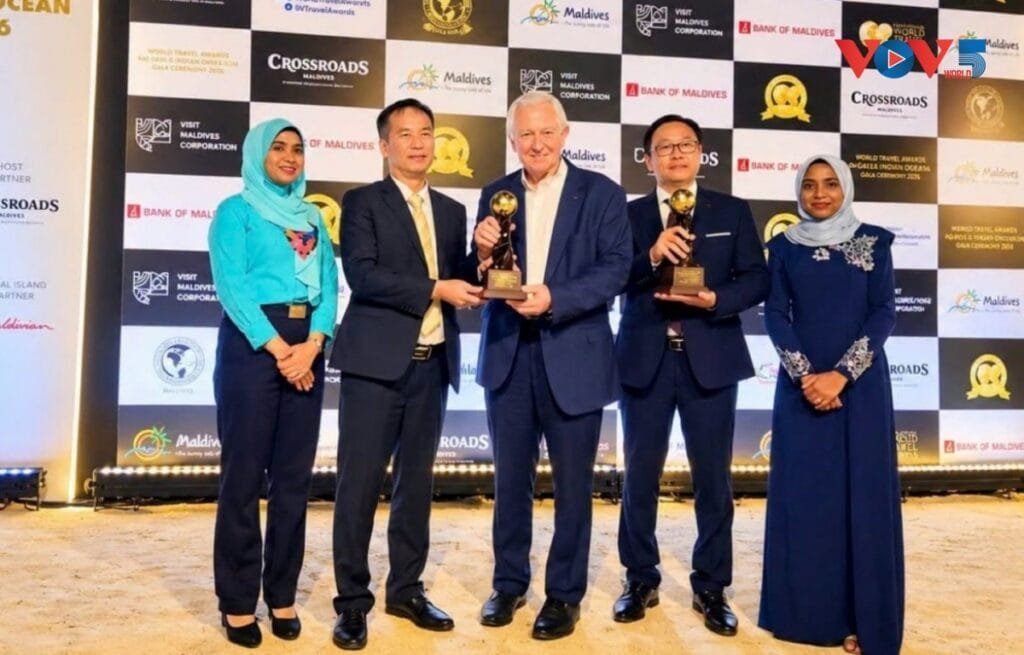
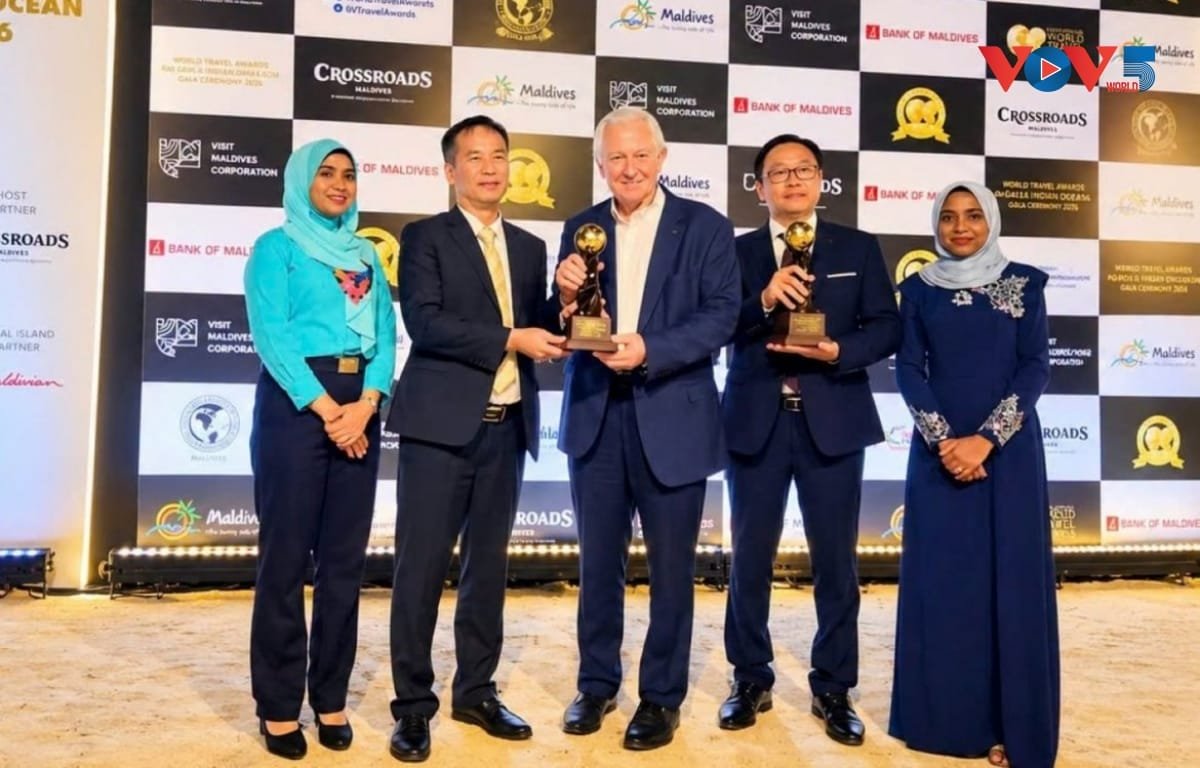
Phong Nha-Ke Bang has been named Asia’s Leading National Park 2026 and Vietnam’s Leading Nature Destination 2026 at the World Travel Awards ceremony for Asia, Oceania and the Indian Ocean, held in the Maldives on September 27. The park has received both titles simultaneously for the second time.
The awards strengthen the international profile of Phong Nha-Ke Bang and provide another platform for Vietnam to promote nature-based tourism. The park is recognised for its karst landscapes, extensive cave systems, underground rivers, forests and biodiversity, creating a strong foundation for nature, adventure and experiential tourism.

Yet international recognition also raises a policy issue that is more important than the award itself. When a protected landscape becomes increasingly visible to international travellers, visitor numbers, infrastructure requirements and commercial interest can also increase. The question then becomes how public authorities and site managers can ensure that tourism growth remains compatible with conservation objectives.
UNESCO has already identified this challenge in its management decisions concerning the transboundary World Heritage property. In 2025, the World Heritage Committee approved a significant boundary modification that incorporated Hin Nam No National Park in Laos into the property, creating the Phong Nha-Ke Bang National Park and Hin Nam No National Park transboundary World Heritage property.
The development is significant for regional policy because the landscape is no longer simply a national conservation issue. The combined property covers 217,447 hectares across Vietnam and Laos and represents one of the world’s outstanding limestone karst ecosystems. Its management therefore requires cooperation across national boundaries as well as coordination among local communities, conservation authorities and tourism stakeholders.
UNESCO’s decision also provides an important policy reminder. The World Heritage Committee noted potential pressures from resource exploitation, land conversion and increased development and tourism. It specifically called for tourism-related projects to be carefully assessed and regulated, with ecological carrying capacity remaining central to tourism management.
This makes the latest World Travel Awards recognition a useful case study in the relationship between destination promotion and public policy. The stronger the international brand becomes, the greater the need for governance systems capable of protecting the environmental qualities that support that brand.
The management of Phong Nha-Ke Bang appears to recognise this relationship. Speaking after the World Travel Awards recognition, Deputy Director Dinh Huy Tri described conservation as the foundation for sustainable tourism development and emphasised the responsibility to protect the area’s natural heritage.
The park’s representatives also used the World Travel Awards platform to promote Quang Tri and Phong Nha-Ke Bang to international media, tourism organisations and businesses. Meetings with World Travel Awards founder Graham Cooke, Visit Maldives Corporation and representatives of the Maldives-Vietnam Economic Association focused on destination promotion, market connectivity, experience sharing and potential cooperation.
From a regional policy perspective, this illustrates another emerging dimension of tourism development. International awards are not only marketing instruments; they can also become platforms for building institutional and commercial networks. For destinations in Southeast Asia, stronger connectivity among tourism organisations and markets may help diversify visitor flows and encourage knowledge sharing.
However, connectivity needs to be matched by appropriate management capacity. Greater tourism demand can bring income and employment opportunities to surrounding communities, but it can also create pressure on ecosystems, infrastructure and local resources. The long-term value of a destination therefore depends partly on whether growth is managed within ecological and social limits.
Phong Nha-Ke Bang’s transboundary relationship with Hin Nam No makes this issue even more relevant. Tourism development on one side of a protected landscape can have implications for conservation and visitor management on the other. Coordinated planning between Vietnam and Laos therefore becomes an important element in maintaining the integrity of the shared World Heritage property.
This approach also reflects a broader shift in tourism governance across Asia. Nature-based destinations are increasingly expected to demonstrate not only their attractiveness but also their ability to protect biodiversity, involve communities and manage tourism responsibly. International recognition can raise the profile of a destination, but governance determines whether that recognition can be sustained.
For Vietnam, Phong Nha-Ke Bang offers an example of how natural heritage can support international tourism positioning while remaining closely linked to conservation policy. For the wider ASEAN region, its experience highlights the importance of viewing tourism not simply as an economic sector, but as an area where environmental management, regional cooperation and local development intersect.
The two World Travel Awards titles therefore represent more than a moment of international recognition. They also bring greater visibility—and consequently greater responsibility—to a protected landscape whose future depends on maintaining the balance between tourism opportunity and heritage protection.