

HM Zein Nurdin Wins ASEAN Winner 2026 | Zein Wisata Islami and Islamic Travel Governance
HM Zein Nurdin, CEO of Zein Wisata Islami, receives Best of The Best ASEAN Winner 2026 in Jakarta, highlighting Islamic travel governance, consumer protection, and regional entrepreneurship.
Beyond Recognition: The Growing Responsibility of Islamic Travel Providers
JAKARTA, INDONESIA — The development of religious travel services across Southeast Asia raises an increasingly important question: how can businesses expand access to pilgrimage services while maintaining consumer protection, operational accountability, and public trust?
The question is particularly relevant in Indonesia, where a large Muslim population, extensive geographical diversity, and demand for Umrah services create opportunities for regional travel enterprises.
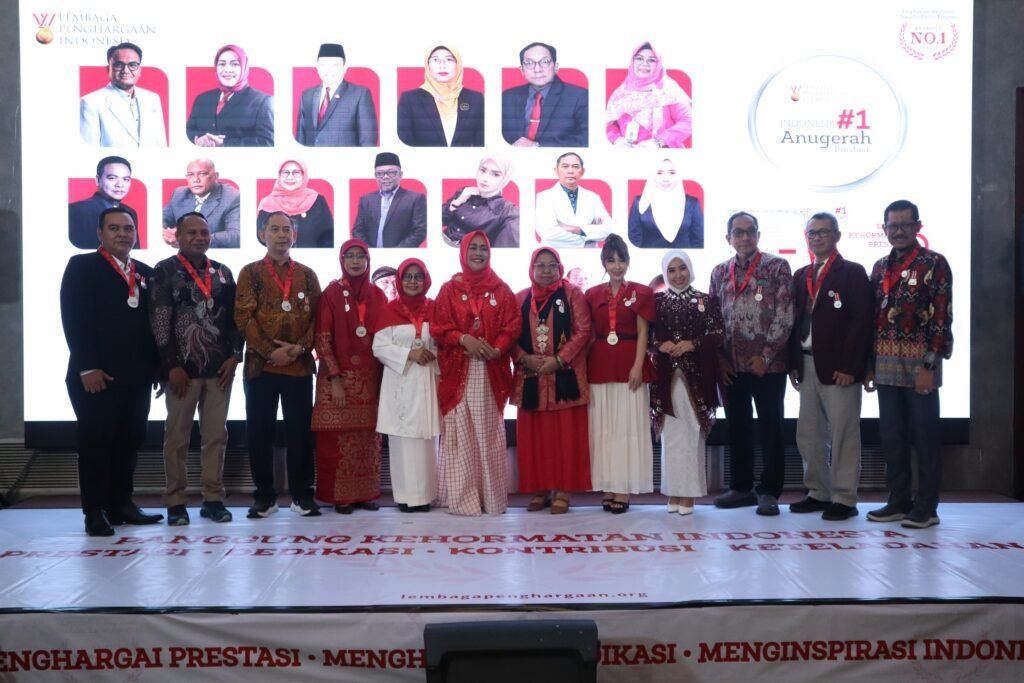
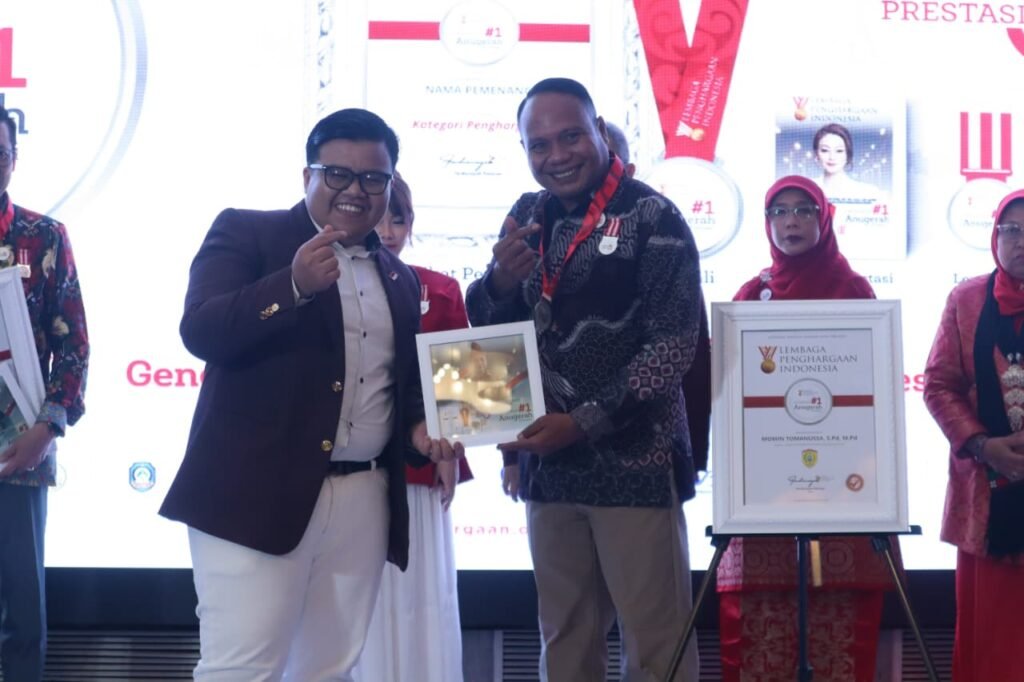
Against this backdrop, HM Zein Nurdin, M.Si, Founder, Owner, and Chief Executive Officer of ZEIN WISATA ISLAMI, received the BEST OF THE BEST – ASEAN WINNER 2026 recognition in the category Trusted Islamic Travel Company Winner.
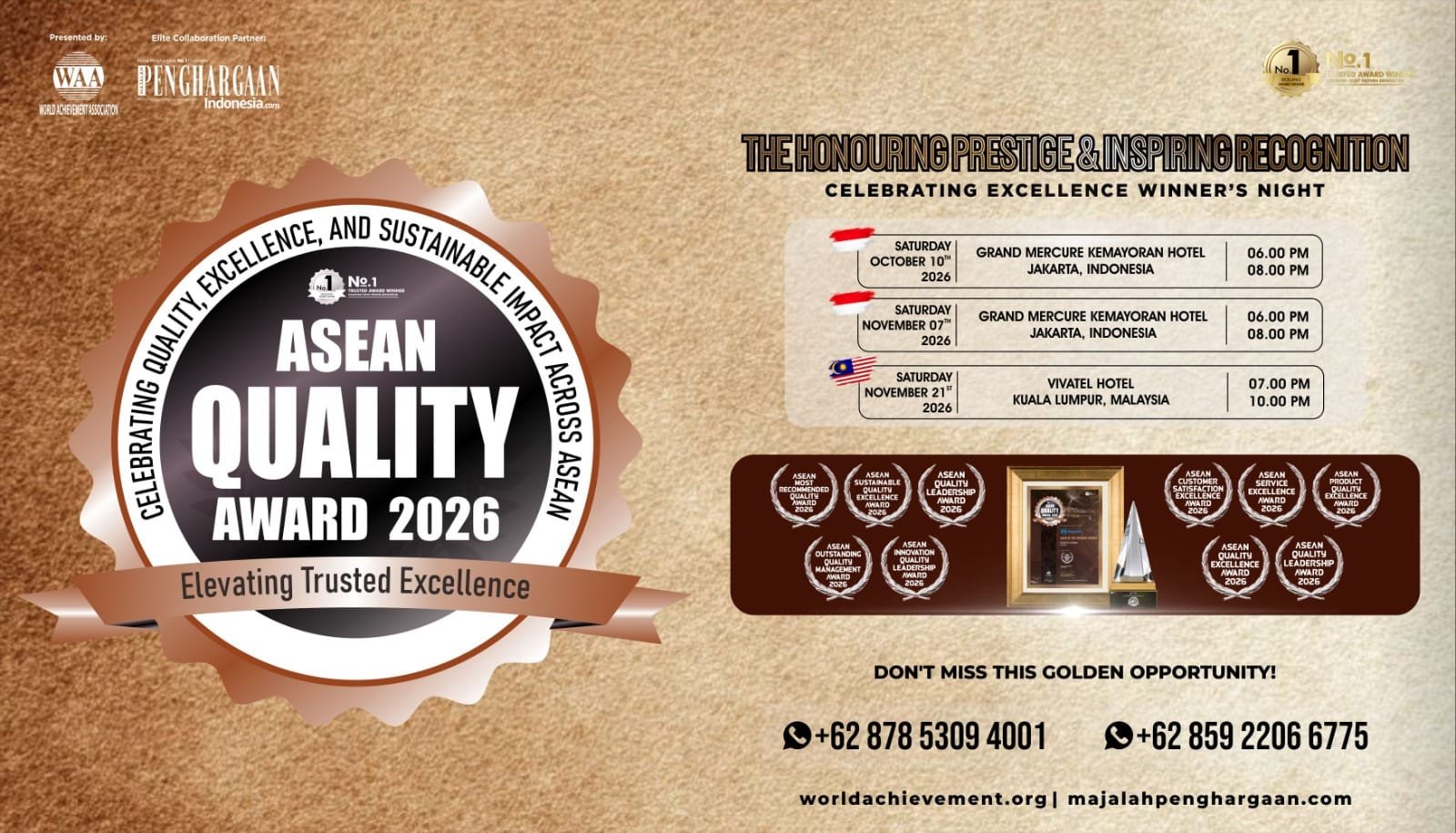
The award was presented during a ceremony organized by Lembaga Penghargaan Indonesia (LPI) on Saturday, October 24, 2026, at Mercure Simatupang Hotel in Jakarta.
The event, organized under the leadership of Ferdiansyah Rahman, recognized professional and business activities across participating sectors.
For Zein Wisata Islami, a religious travel company headquartered in North Sumatra, the recognition provides an opportunity to examine the broader relationship between regional entrepreneurship, pilgrimage services, and responsible business governance.
Indonesia’s Religious Travel Sector and the Public Interest
Religious travel differs from conventional tourism in several important respects.
For Muslim pilgrims, Umrah is a journey of spiritual significance that frequently involves considerable financial preparation, religious expectations, and reliance on travel organizers.
Customers depend on service providers to coordinate international transportation, accommodation, travel documentation, and other arrangements.
These responsibilities create a strong public interest in the quality and accountability of pilgrimage services.
In Indonesia, Umrah travel is subject to a regulatory framework intended to protect pilgrims and establish responsibilities for authorized organizers.
The distinction between promotional reputation and regulatory compliance is therefore particularly important.
An award may recognize a company’s activities, but it does not replace government authorization, legal obligations, or independent verification of service standards.
For consumers, transparent information about licensing, travel schedules, contractual conditions, and complaint mechanisms remains essential.
Regional Entrepreneurship Beyond Metropolitan Centers
Zein Wisata Islami is headquartered at Jalan Jenderal Sudirman No. 610, Indrasakti, Air Putih, Batu Bara Regency, North Sumatra, Indonesia, 21256.
According to its supplied corporate profile, the company maintains a provincial-level branch network covering Medan, Aceh, Riau, Jambi, West Sumatra, Jakarta, East Java, and Central Sulawesi.
Its reported district and city-level network also includes Pematangsiantar, Simalungun, Tanjungbalai, Tebing Tinggi, Aceh Besar, Langkat, Labuhanbatu, Deli Serdang, Takengon, Bener Meriah, Rokan Hilir, Batam, Pelalawan, Sidoarjo, and Bukittinggi.
This geographical distribution illustrates the potential role of businesses based outside Indonesia’s principal commercial centers.
Regional enterprises can contribute to service accessibility by establishing customer contact points closer to communities that might otherwise depend on distant offices.
In the pilgrimage sector, local accessibility can be particularly valuable because customers often require repeated consultations before departure.
Travel documentation, payment arrangements, religious preparation, and logistical questions may involve multiple interactions between pilgrims and service providers.
However, wider geographical coverage must be supported by adequate oversight.
For a company with offices across several provinces, consistent procedures, staff training, customer information systems, and internal accountability become increasingly important.
Leadership at the Intersection of Religion, Education, and Business
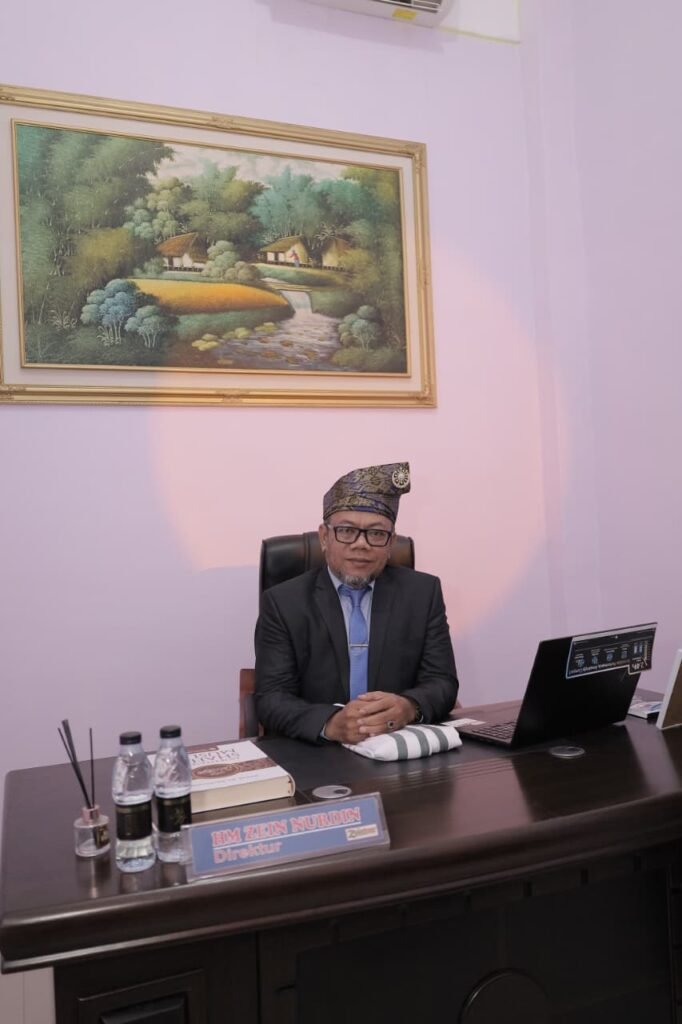
HM Zein Nurdin’s professional background provides an additional dimension to the company’s development.
Alongside his responsibilities as Founder and CEO, he is active as a lecturer and Islamic preacher, participating in educational and religious outreach activities.
These roles place him at the intersection of academic communication, religious engagement, and commercial management.
Such a background is relevant in an industry where customers’ expectations include both practical services and sensitivity to religious values.
Education and religious outreach can support community understanding, while entrepreneurship provides the organizational framework through which services are delivered.
Nevertheless, professional responsibility requires more than personal credibility.
A sustainable travel enterprise must establish systems that remain reliable across branches and operational teams.
The central governance challenge is ensuring that organizational values are reflected in documented procedures, transparent communication, and consistent customer protection.
Consumer Protection as a Foundation of Industry Confidence
The relationship between religious travel providers and pilgrims involves a significant degree of trust.
Customers often commit savings accumulated over extended periods, while the service provider manages arrangements that may be difficult for individuals to independently coordinate.
This imbalance in access to information makes transparency especially important.
Clear package descriptions, understandable contractual terms, accurate departure information, and accessible complaint procedures can help reduce uncertainty.
Consumer protection also extends to the handling of unexpected circumstances.
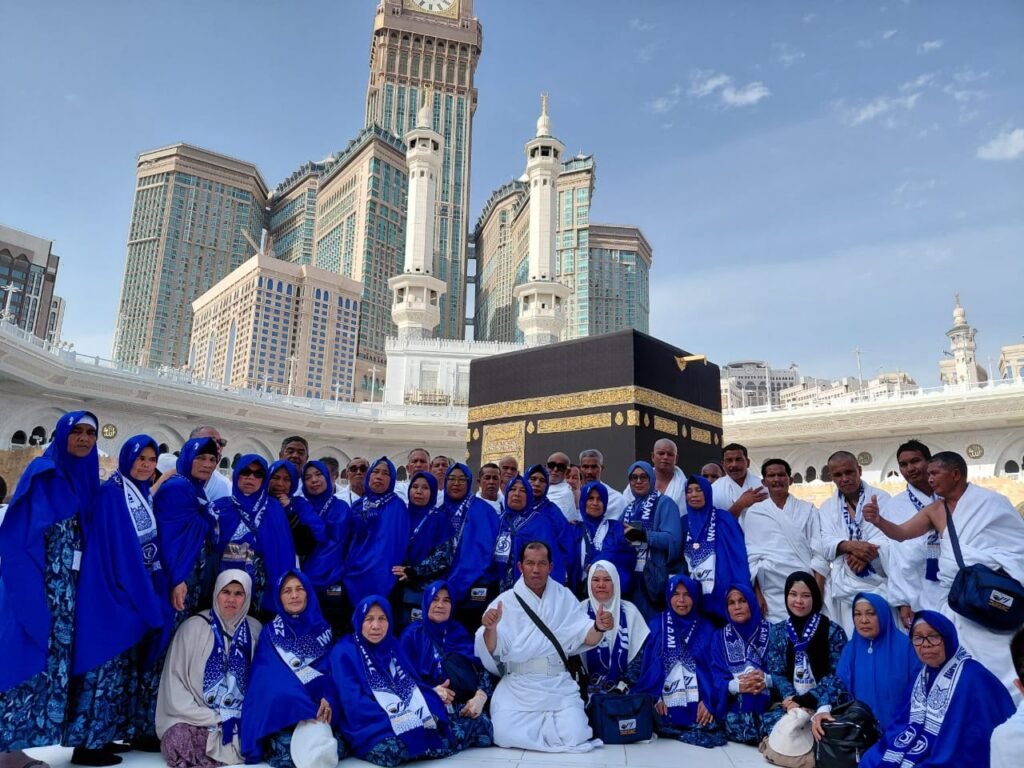
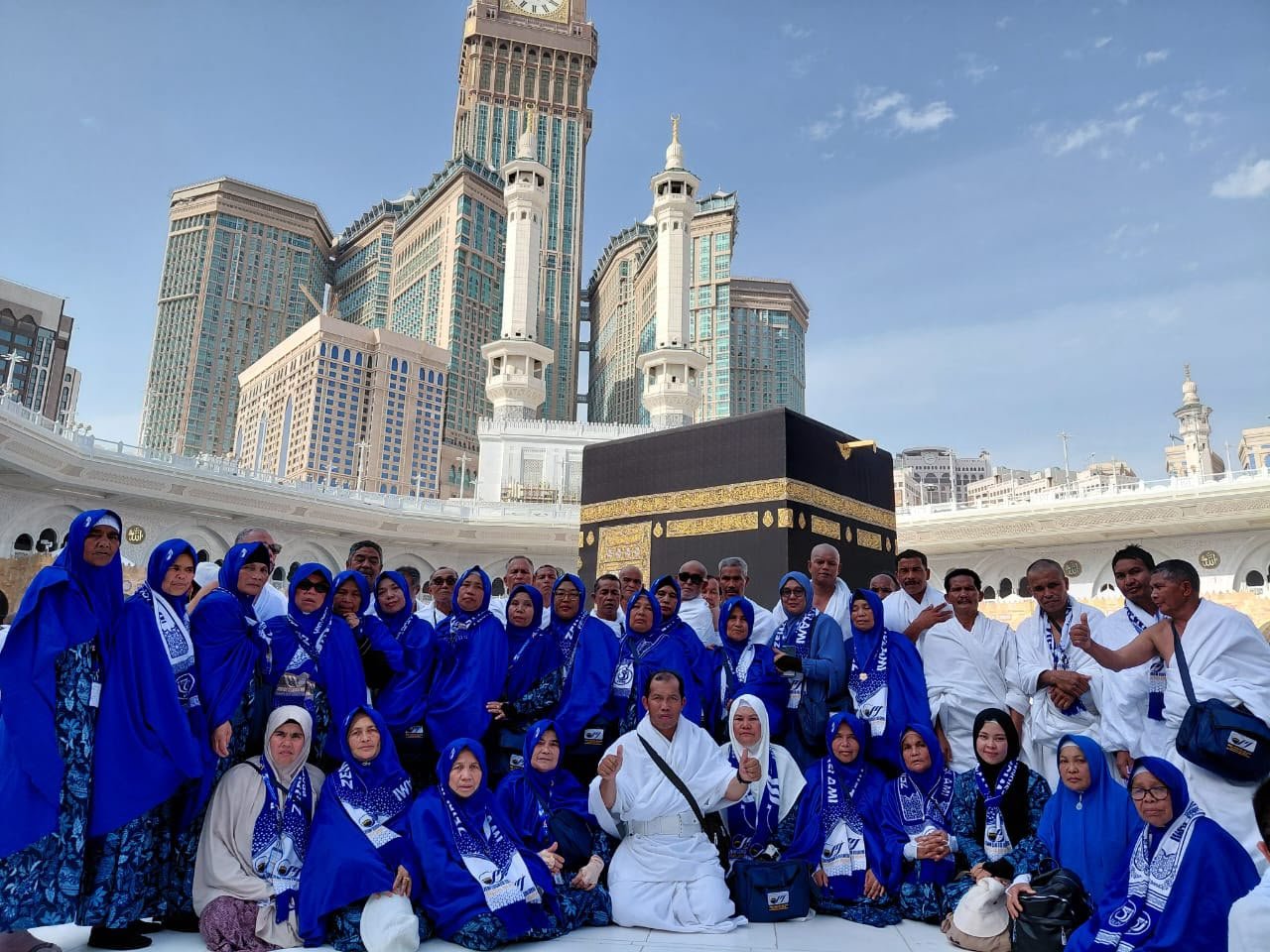
In September 2026, Zein Wisata Islami was the subject of reporting concerning travel arrangements for 71 Umrah pilgrims from North Sumatra and Aceh whose schedules were affected by flight disruptions associated with volcanic activity.
According to those reports, the company coordinated revised arrangements and communicated updates to the affected pilgrims.
Accommodation assistance for travelers from outside the immediate area and transportation support for pilgrims near the airport were also reported.
The incident illustrates an important principle of travel governance: operational responsibility does not end when circumstances change unexpectedly.
Although not every disruption can be prevented, companies can establish procedures for communication, contingency planning, and customer assistance.
The effectiveness of these procedures is an important consideration in assessing service quality.
The ASEAN Dimension: Shared Opportunities, Different Regulatory Systems
Although the pilgrimage destination for Umrah is Saudi Arabia, Southeast Asian economies play a significant role in the broader ecosystem supporting Muslim travelers.
Indonesia, Malaysia, and Brunei are among the regional markets where faith-related travel services have particular relevance.
Across ASEAN, travel operators and supporting businesses can benefit from developments in digital payments, aviation connectivity, professional training, and hospitality services.
However, regional cooperation should not be confused with regulatory uniformity.
Each ASEAN member state maintains its own legal requirements governing relevant business activities and consumer protection.
Companies considering cross-border partnerships or expansion must therefore understand the applicable requirements in each jurisdiction.
For Zein Wisata Islami, whose reported office network is located within Indonesia, the ASEAN recognition provides regional visibility rather than evidence of established international operations.
The distinction matters because responsible business communication requires a clear separation between existing capabilities and future opportunities.
Digital Services and the Challenge of Information Transparency
Digital technology has changed how customers evaluate travel companies.
Prospective pilgrims can now compare service providers, read customer feedback, review travel information, and communicate with company representatives through online platforms.
These developments create opportunities for greater transparency, but they also introduce new responsibilities.
Travel companies must consider the accuracy of digital marketing claims, the protection of personal information, and the reliability of customer communication.
For companies operating across multiple regions, integrated information systems can support consistent updates regarding documentation, travel schedules, and customer inquiries.
Digital tools may also assist internal monitoring and complaint handling.
However, technology should complement rather than replace professional accountability.
A well-designed digital system is valuable only when the information it provides is accurate and the organization responds responsibly to customer concerns.
Corporate Awards and the Importance of Verifiable Standards
The BEST OF THE BEST – ASEAN WINNER 2026 recognition received by HM Zein Nurdin highlights the role that corporate awards can play in public communication.
Recognition platforms can draw attention to businesses and professional figures that may otherwise receive limited exposure outside their local markets.
For regional enterprises, this visibility can contribute to brand awareness and create opportunities for professional networking.
However, the public value of recognition depends in part on the clarity of the claims associated with it.
The Trusted Islamic Travel Company Winner designation is an award category conferred by Lembaga Penghargaan Indonesia. It should not be interpreted as an official ASEAN institutional endorsement or an independently verified ranking of all Islamic travel companies in the region.
Similarly, corporate awards should not be presented as substitutes for regulatory licenses, government approvals, or formal compliance assessments.
Clear communication of these distinctions helps preserve public confidence and supports responsible corporate reputation management.
The Economic Importance of Locally Established Service Enterprises
The development of businesses headquartered outside major metropolitan areas is relevant to Indonesia’s broader economic landscape.
Regional companies can create demand for supporting services, build commercial relationships, and expand access to specialized industries.
In the Islamic travel sector, these activities may involve local transportation providers, travel administration services, hospitality businesses, and other operational partners.
Zein Wisata Islami’s reported branch network demonstrates a business approach that extends beyond its headquarters in Batu Bara Regency.
Nevertheless, the company’s precise economic contribution, employment impact, or market share cannot be established without independently verifiable operational data.
This distinction is important in evaluating regional business development.
Geographical reach provides information about a company’s presence, while economic impact requires additional evidence.
Recognition Creates Expectations for the Future
For HM Zein Nurdin, the Jakarta award adds another milestone to a professional journey involving education, religious outreach, and entrepreneurship.
For Zein Wisata Islami, it creates an opportunity to reinforce the importance of customer confidence within its corporate identity.
The next stage of organizational development will depend on the company’s ability to maintain service standards across its reported network and respond effectively to changing industry requirements.
Regulatory awareness, operational preparedness, customer communication, and responsible management will remain central considerations.
As Indonesia’s pilgrimage services ecosystem evolves, these issues will continue to shape both consumer expectations and business competitiveness.
A Broader Lesson for ASEAN’s Faith-Related Services Economy
The recognition of HM Zein Nurdin through the BEST OF THE BEST – ASEAN WINNER 2026 reflects a wider discussion about the relationship between entrepreneurship and public responsibility.
Faith-related services operate in markets where commercial objectives intersect with deeply personal and spiritual expectations.
This creates a distinctive obligation for business leaders to ensure that growth does not come at the expense of transparency, reliability, or customer protection.
For Zein Wisata Islami, the award in Jakarta represents an opportunity to strengthen its professional profile while continuing to develop its service network.
For the wider industry, the lesson extends beyond one company.
The long-term credibility of Islamic travel businesses will depend not simply on their ability to expand or gain recognition, but on their capacity to translate public trust into transparent, accountable, and consistently reliable services.
In an increasingly connected ASEAN economy, that principle remains essential to building sustainable businesses and protecting the communities they serve.