



Momin Tomanussa Receives Anugerah Prestasi Indonesia 2026 | South Buru Education Governance
Momin Tomanussa, Head of the South Buru Regency Education Office, receives Anugerah Prestasi Indonesia 2026 in Jakarta, drawing attention to education governance, school accessibility, and regional development.
Why Local Education Leadership Matters in Southeast Asia
JAKARTA, INDONESIA — Across Southeast Asia, education policy is increasingly shaped by a difficult but essential question: how can governments ensure that children living far from major cities receive learning opportunities comparable to those available in more developed urban centers?
The challenge is particularly significant in archipelagic countries such as Indonesia, where geographical diversity influences the delivery of public services.
In South Buru Regency, Maluku Province, educational administration requires an understanding of school accessibility, institutional coordination, and the different needs of communities spread across the region.
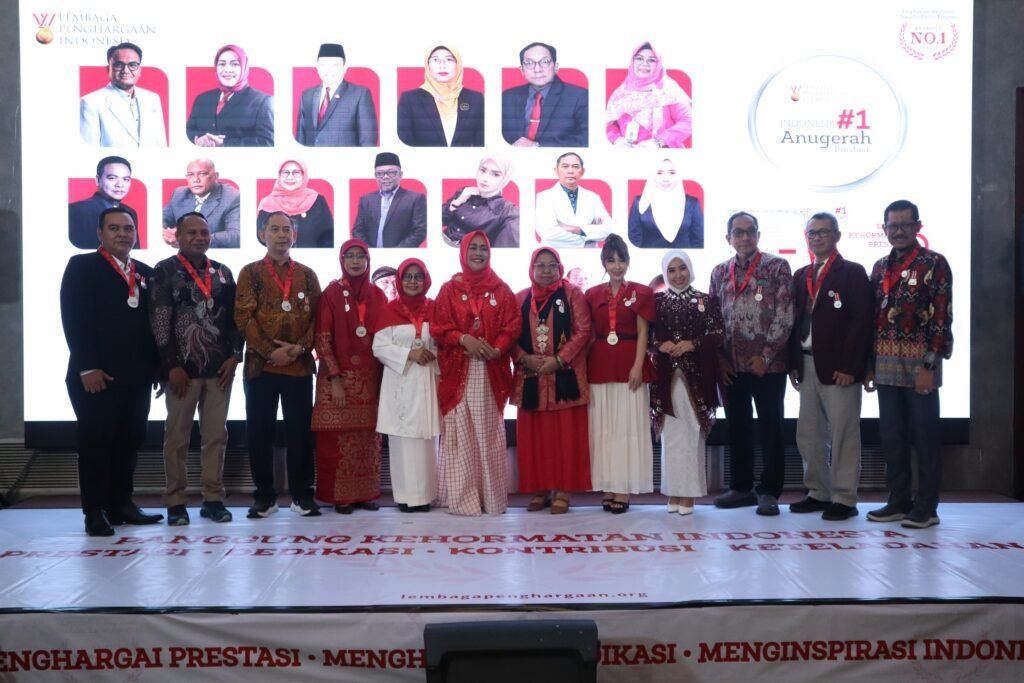
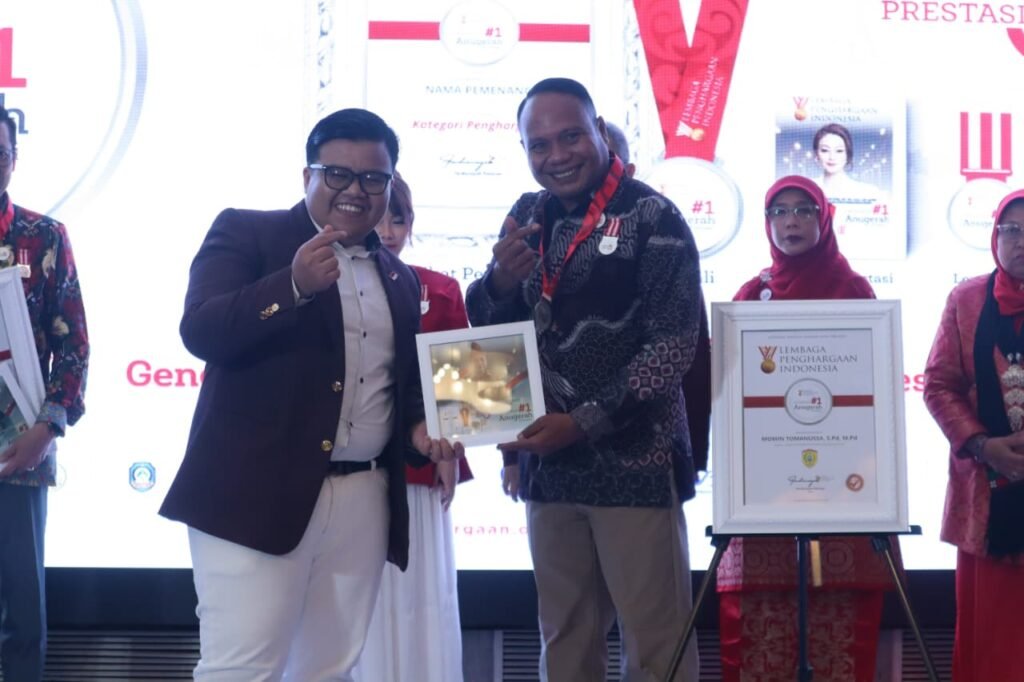
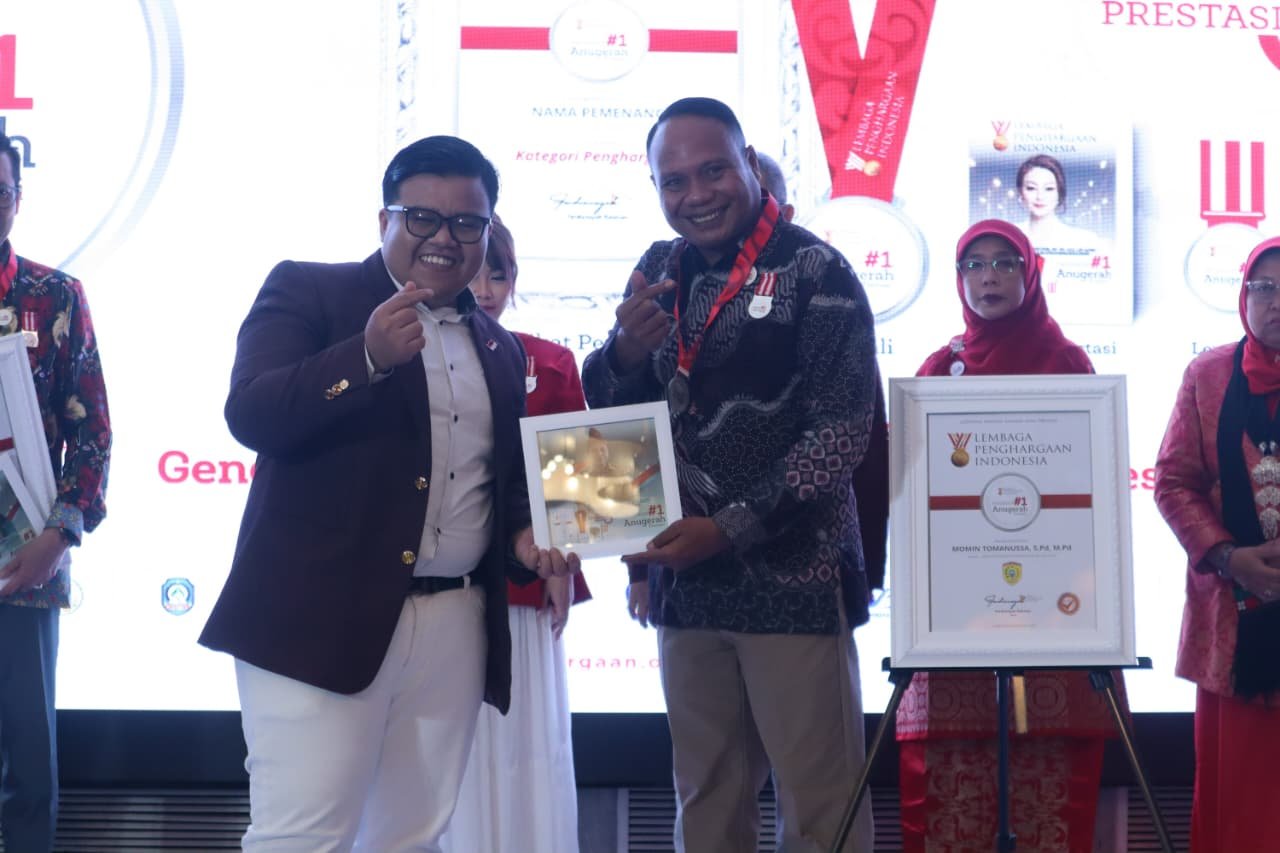
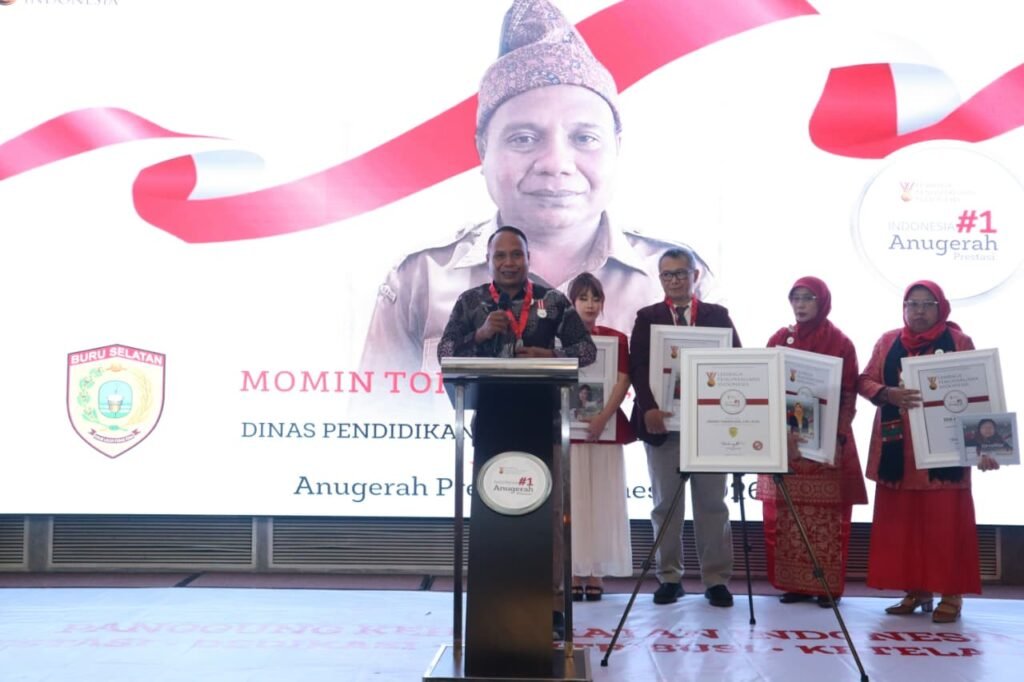
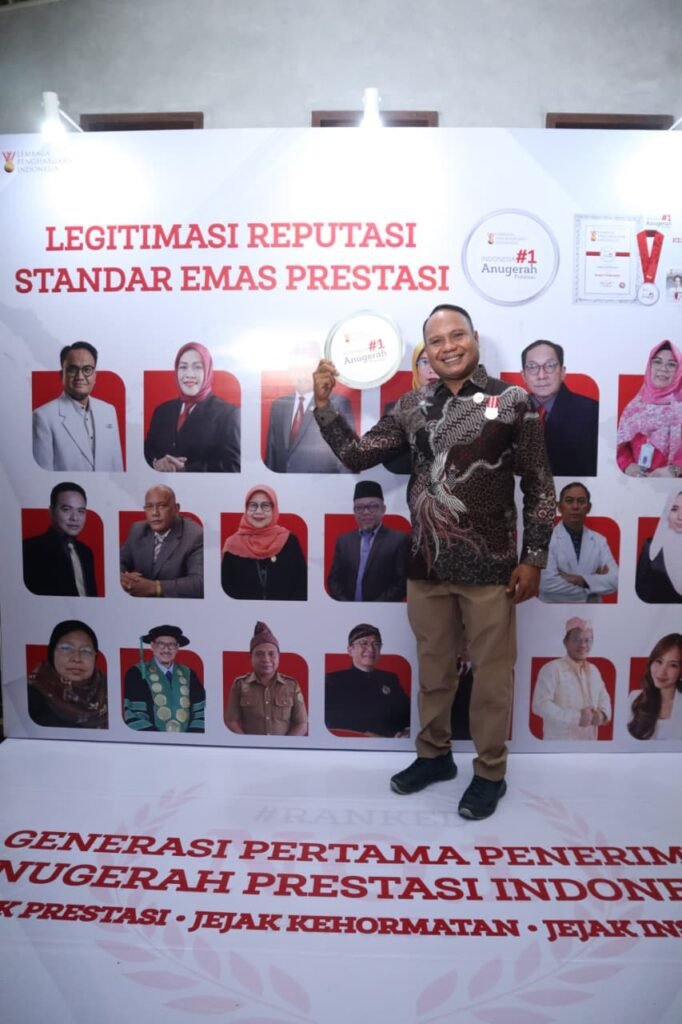
Against this background, Momin Tomanussa, S.Pd., M.Pd., Head of the South Buru Regency Education Office, has received recognition through Anugerah Prestasi Indonesia 2026, an award program organized by Lembaga Penghargaan Indonesia (LPI).
The award ceremony was scheduled for Saturday, October 24, 2026, at Mercure Simatupang Hotel in Jakarta, with the program organized under the leadership of Ferdiansyah Rahman.
The recognition offers an opportunity to examine a broader issue extending well beyond one Indonesian regency: the importance of accountable local institutions in ensuring that education policies produce meaningful results.
The Geography of Inequality in Education
Educational inequality is not always the result of differences in policy objectives.
In many cases, disparities emerge from the practical difficulties of delivering services across regions with different infrastructure, transportation networks, and institutional capacities.
For South Buru, geographical conditions are an important consideration in education planning.
Schools located near administrative centers may have more convenient access to supervision, transportation, and public services than institutions situated in less accessible communities.
These differences can influence the speed of administrative coordination and the availability of educational support.
From a public policy perspective, geographical inequality requires more than uniform distribution formulas.
Authorities need reliable information about individual school conditions and the flexibility to prioritize assistance according to actual needs.
This is why local education offices occupy an important position within national education systems.
They connect broad policy objectives with the realities experienced by schools, teachers, and families.
School Supervision and the Accountability of Local Institutions
In September 2026, local reporting documented supervisory activities involving Momin Tomanussa and officials from the South Buru education administration in Waesama and Ambalau districts.
The activities involved education personnel responsible for reviewing school conditions and the implementation of educational programs.
Such supervision is an important component of public sector accountability.
Government institutions cannot effectively manage educational services without understanding how policies are implemented at the school level.
Direct supervision can provide information about administrative challenges, teaching conditions, infrastructure needs, and coordination problems.
It may also strengthen communication between education authorities and school administrators.
However, the policy value of supervision depends on what happens afterward.
Field observations should ideally inform corrective action, resource allocation, and future planning.
Without systematic follow-up, supervisory visits risk becoming administrative exercises rather than instruments of educational improvement.
For regional education systems, the challenge is to develop a cycle in which monitoring, evaluation, and policy adjustment reinforce one another.
Protecting Learning Access During Community Disputes
The responsibilities of local education authorities extend beyond curriculum implementation and institutional management.
They also include responding to circumstances that may interrupt students’ access to education.
In August 2026, Momin Tomanussa was reported to have expressed concern over an incident involving the obstruction of access to a school.
The situation raised concerns about possible disruption to teaching and learning activities.
According to local reporting, Momin emphasized the importance of resolving disputes through appropriate procedures without compromising students’ educational opportunities.
The issue reflects a significant principle of public administration.
When disputes arise around educational facilities, the interests of children should remain central to the response.
School closures or restricted access can affect attendance, learning continuity, and the stability of educational routines.
For students in communities with limited alternative facilities, the consequences may be particularly serious.
Effective governance therefore requires mechanisms that allow disputes to be addressed while protecting the continuity of essential public services.
Education Governance Is More Than Administrative Compliance
Public institutions are frequently assessed through budgets, planning documents, reporting procedures, and program implementation.
These measures are necessary for accountability, but they do not provide a complete picture of educational performance.
A more comprehensive assessment also considers whether schools are accessible, teachers receive appropriate support, and students benefit from effective learning environments.
For local education leaders, this creates a dual responsibility.
They must maintain administrative compliance while ensuring that government activities respond to community needs.
The distinction is important.
A program can be completed according to schedule without necessarily producing the intended educational improvements.
This is why outcome-oriented evaluation has become an important part of public sector reform discussions.
In South Buru, the effectiveness of educational governance ultimately requires assessment through reliable indicators rather than institutional recognition alone.
ASEAN’s Shared Challenge of Inclusive Development
Southeast Asian countries differ considerably in their geography, population distribution, economic resources, and administrative structures.
Nevertheless, many face similar challenges in improving education access and reducing disparities between urban and rural communities.
Within ASEAN, education is closely connected to regional priorities involving human resource development, social inclusion, and long-term economic competitiveness.
The ability of local institutions to deliver educational services is therefore relevant to broader regional development.
Indonesia’s experience is especially significant because of its extensive archipelagic geography.
Regional education authorities must respond to the needs of communities with different levels of accessibility and infrastructure.
The experience of South Buru illustrates why education policy must be supported by capable local administration.
Regional cooperation may provide opportunities to exchange knowledge about teacher development, digital education, and school management.
However, effective implementation continues to depend on the circumstances and institutional responsibilities of each locality.
Digital Transformation and the Risk of Leaving Communities Behind
Digital technology offers opportunities to improve education management, particularly in regions where physical coordination can be difficult.
Electronic reporting systems, school databases, and communication platforms may help education offices monitor needs and respond more efficiently.
Digital learning resources can also support teachers and students when appropriate infrastructure is available.
Yet technology is not a universal solution.
Limited connectivity, equipment costs, and differences in digital capabilities can create barriers.
For geographically dispersed regions, poorly designed digital programs may unintentionally increase disparities.
A responsible digital strategy must therefore consider local readiness.
It should also provide support for educators and administrators who are expected to use new systems.
For South Buru, digital transformation represents a potential direction for institutional improvement, rather than evidence of specific programs already implemented under Momin Tomanussa.
Public Leadership and the Importance of Institutional Continuity
Momin Tomanussa’s academic background in education provides relevant context for his responsibilities as an education administrator.
His qualifications include a Bachelor of Education and a Master of Education.
However, effective public leadership depends on more than professional credentials.
It requires the ability to coordinate institutions, communicate with stakeholders, and ensure that public responsibilities are carried out consistently.
For education offices, institutional continuity is especially important.
Schools require ongoing support regardless of changes in administrative leadership.
This makes documented procedures, reliable information systems, and cooperation among professional staff essential.
A sustainable education system should not depend exclusively on the personal involvement of one official.
Instead, leadership should contribute to strengthening the capacity of the institution itself.
Understanding the Significance of Anugerah Prestasi Indonesia 2026
The recognition of Momin Tomanussa through Anugerah Prestasi Indonesia 2026 provides visibility for his professional role in South Buru’s education administration.
Organized by Lembaga Penghargaan Indonesia under the leadership of Ferdiansyah Rahman, the award program recognizes individuals and institutions from various professional fields.
For regional officials, such recognition can create opportunities to communicate the importance of public service responsibilities beyond their immediate communities.
However, awards should be understood within their appropriate institutional context.
The recognition is conferred by the organizing institution and should not be interpreted as an official ASEAN endorsement, a government performance certification, or an independently verified ranking of education administrators.
Educational outcomes require separate assessment using reliable data on access, learning quality, institutional performance, and public service delivery.
Maintaining this distinction supports responsible public communication.
Regional Recognition and the Future of Education in South Buru
The challenges facing South Buru’s education system reflect broader questions about public service delivery in geographically diverse regions.
How can schools receive more consistent support?
How can local authorities identify educational needs accurately?
How can students’ learning opportunities remain protected during administrative or community disputes?
And how can regional institutions ensure that policies lead to measurable improvements?
These questions will remain relevant beyond any individual award ceremony.
For Momin Tomanussa, recognition through Anugerah Prestasi Indonesia 2026 represents a professional milestone associated with his responsibilities in educational administration.
For South Buru, the larger priority remains strengthening institutional capacity and improving educational services for communities across the regency.
The Wider Lesson for Southeast Asian Policymakers
The experience of local education administration in eastern Indonesia offers a useful perspective on the relationship between governance and educational equity.
National strategies can establish ambitious goals, but progress depends on institutions capable of responding to the needs of individual schools and communities.
Supervision, public accountability, learning continuity, and inclusive planning are essential components of that responsibility.
Ultimately, the quality of educational leadership is measured not by the prominence of recognition, but by the ability of public institutions to protect learning opportunities and deliver meaningful improvements where they are needed most.
As Southeast Asia continues to pursue more inclusive and competitive education systems, the responsibilities of regional leaders such as Momin Tomanussa remain closely connected to one of the region’s most important development priorities: ensuring that geography does not determine a child’s educational future.