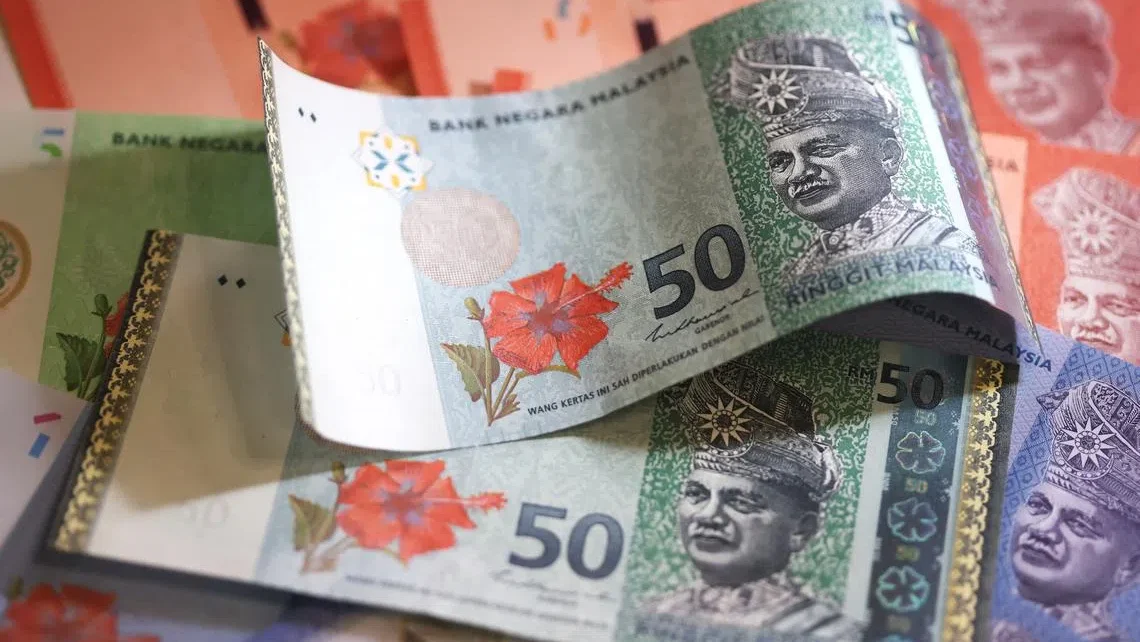
Jakarta — The year 2026 is shaping up to be a test of resilience for ASEAN currencies. According to analysis from The Business Times, Malaysia’s ringgit is expected to hold steady, while Indonesia’s rupiah continues to fray under the weight of global dollar strength.
The divergence reflects broader regional dynamics. Malaysia benefits from strong trade fundamentals and energy exports, helping the ringgit resist volatility. Indonesia, however, faces persistent capital outflows and inflationary pressures, weakening the rupiah despite government interventions.
For ASEAN, the contrasting trajectories of these two currencies highlight the challenge of maintaining monetary stability in a region deeply exposed to global financial currents. The U.S. dollar’s dominance remains a critical factor, with its fluctuations reverberating across Southeast Asia’s economies.
Observers note that regional cooperation could play a role in mitigating risks. Strengthening financial integration and exploring local currency settlements may help ASEAN reduce dependency on the dollar.
For ASEAN Voice, the lesson is clear: currency resilience is not only a matter of national policy but also of regional solidarity. The ringgit’s steadiness and the rupiah’s fragility serve as reminders that ASEAN’s economic future depends on collective strategies to withstand global shocks.