
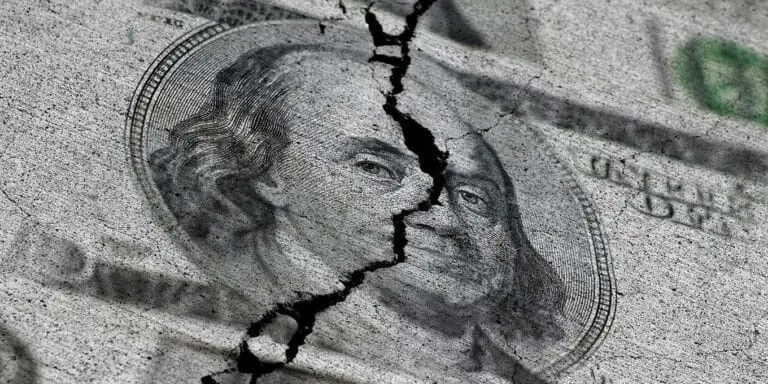
Hong Kong — BRICS nations’ ambition to reduce reliance on the US dollar has encountered significant obstacles, revealing the complexity of regional and global economic politics. While bilateral local currency trade has expanded, coordinated action remains elusive.
Iran has pushed for digital currency settlements, underscoring the fragmented nature of the initiative. Meanwhile, Russia and China have achieved near‑total trade settlement in rubles and yuan, driven largely by sanctions and necessity. Brazil and China also maintain a local currency trade pact worth US$100 billion annually.
However, US pressure has reshaped strategies. Donald Trump’s threats of 100% tariffs in January 2025 deterred several members from pursuing a common BRICS currency. Indonesia quickly distanced itself from the agenda, while Brazil dropped the idea from its presidency program despite President Lula’s defiant rhetoric.
India’s opposition has been particularly decisive. External Affairs Minister Subrahmanyam Jaishankar argued that the dollar provides global stability, while Commerce Minister Piyush Goyal dismissed the idea of sharing a currency with China as “impossible.” These positions highlight deep geopolitical mistrust within BRICS.
Chinese state media continues to call for greater coordination, yet Kremlin officials have clarified that BRICS is not pursuing a unified currency. Instead, joint investment platforms and national payment systems are being explored, though divergent interests remain a barrier.
Ultimately, BRICS de‑dollarization is more aspiration than reality. Bilateral successes demonstrate potential, but internal divisions and fear of US retaliation prevent a unified strategy, leaving the dollar’s dominance intact for now.