
The Prestige Circle of Excellence 2026 in Surabaya brings together Asian business and professional perspectives on leadership, achievement, recognition, and reputation.
SURABAYA – Across Asia’s increasingly interconnected professional landscape, leadership is being defined by more than titles or organizational positions. Performance, adaptability, credibility, and the ability to create meaningful impact are becoming equally important measures of professional excellence.
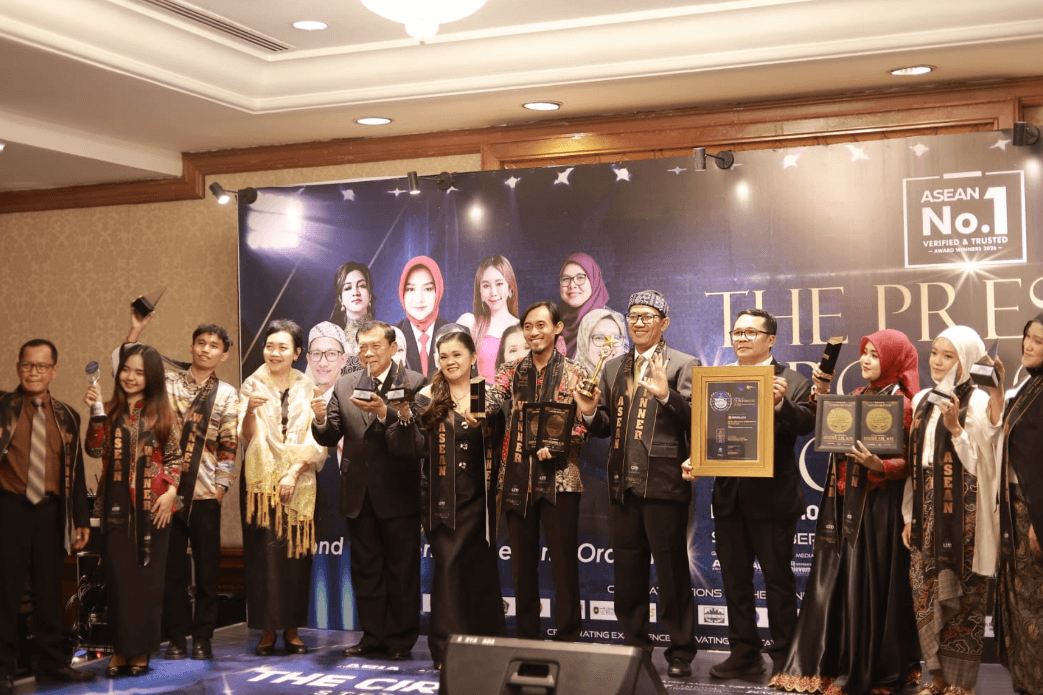
These ideas were reflected at The Prestige Circle of Excellence, an awards gathering organized by Award Magazine on September 12, 2026, at Shangri-La Surabaya. The event brought together entrepreneurs, executives, bureaucrats, professionals, educators, directors, and organizational leaders from different sectors.
Initiated by GP Rajasa Pranadewa, the event presented recognition as part of a broader professional journey. Its underlying message was that achievement can gain greater significance when it is properly recognized and subsequently translated into reputation, trust, and continued contribution.

“Achievement is only the beginning. When achievement receives the right recognition, its value can grow into reputation and trust. We created The Prestige Circle of Excellence to celebrate that journey,” said GP Rajasa Pranadewa.
The idea carries particular relevance in Asia, where professional relationships are often closely connected to trust and long-term credibility. As businesses expand across markets and organizations increasingly work through partnerships, reputation can become an important factor in establishing confidence among stakeholders.
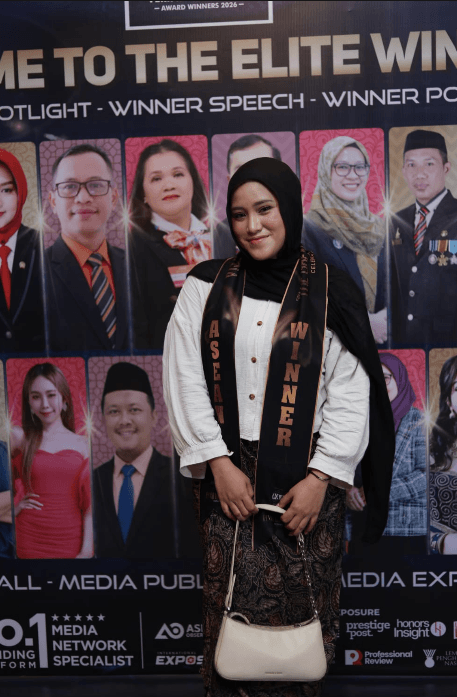
The recipients represented a wide range of professional environments. Business leaders were recognized within the context of growth and organizational development, while executives and directors reflected the importance of strategic decision-making and leadership responsibility.
Professionals from other fields brought a different dimension to the concept of excellence. Their achievements may be reflected in service quality, expertise, innovation, or their ability to raise professional standards. Educators, meanwhile, contribute through the development of human capital, an increasingly important factor for economies across Asia.
This diversity demonstrates that excellence cannot be reduced to one particular industry or measurement. The definition of achievement changes according to the environment, but several principles remain consistent: competence, discipline, leadership, adaptability, and contribution.
The gathering also created a space where these different perspectives could meet. Bringing together individuals from business, government, education, professional services, and organizational leadership provides an opportunity for knowledge exchange that extends beyond the awards themselves.
For Asia’s developing professional ecosystems, cross-sector networking can have strategic relevance. Collaboration between different industries can encourage new ideas, create partnerships, and provide access to expertise that may not exist within a single organization.
The event’s emphasis on recognition also reflects changes in personal and institutional positioning. In a highly connected information environment, professional achievements can influence how individuals and organizations are perceived. However, recognition becomes meaningful only when it is supported by a credible track record.
This distinction is important. Reputation cannot be built solely through visibility. It requires consistency between what an individual or institution communicates and what it actually delivers.
For that reason, an award can be viewed as a milestone rather than an endpoint. The recognition marks an achievement, while the period that follows determines whether the achievement becomes part of a sustained reputation.
The Prestige Circle of Excellence also placed attention on the people behind professional success. The presence of families, colleagues, teams, and supporters during the celebration highlighted the collective dimension of many individual achievements.
Leadership, after all, rarely operates in isolation. Behind a successful organization or professional career are teams that execute strategies, colleagues who provide support, partners who create opportunities, and communities that contribute to a wider ecosystem.
Holding the event in Surabaya added another dimension to this perspective. As one of Indonesia’s major economic centers, Surabaya represents a significant connection between national business activity and the broader development of eastern Indonesia.
The city’s role as a meeting point for different professional communities makes it a fitting setting for an event centered on achievement, networking, and leadership.
At its core, The Prestige Circle of Excellence offers a straightforward proposition: excellence deserves to be acknowledged, but recognition should also encourage recipients to maintain and expand the standards that earned them that recognition.
For the Asian professional community, this principle resonates beyond a single awards evening. Sustainable reputation is built through repeated performance, responsible leadership, meaningful contribution, and the ability to adapt to changing circumstances.
The September 12 gathering at Shangri-La Surabaya therefore represented more than a formal celebration. It was a meeting of professional journeys and an affirmation that achievement can become more valuable when recognition is connected to credibility and long-term impact.
In the end, recognition may place excellence in the spotlight, but sustained leadership and contribution determine how long that reputation will endure.