



Dineshraj Subramaniam’s Global Achievers Award 2026 highlights the growing role of cultural dining in ASEAN tourism and regional economic identity.
When Culinary Heritage Becomes Regional Influence
Across Asia, food has evolved beyond consumption—it has become a strategic component of tourism, cultural diplomacy, and economic identity. Governments and industry stakeholders increasingly recognize that traditional cuisine carries not only commercial value, but also national and regional influence.
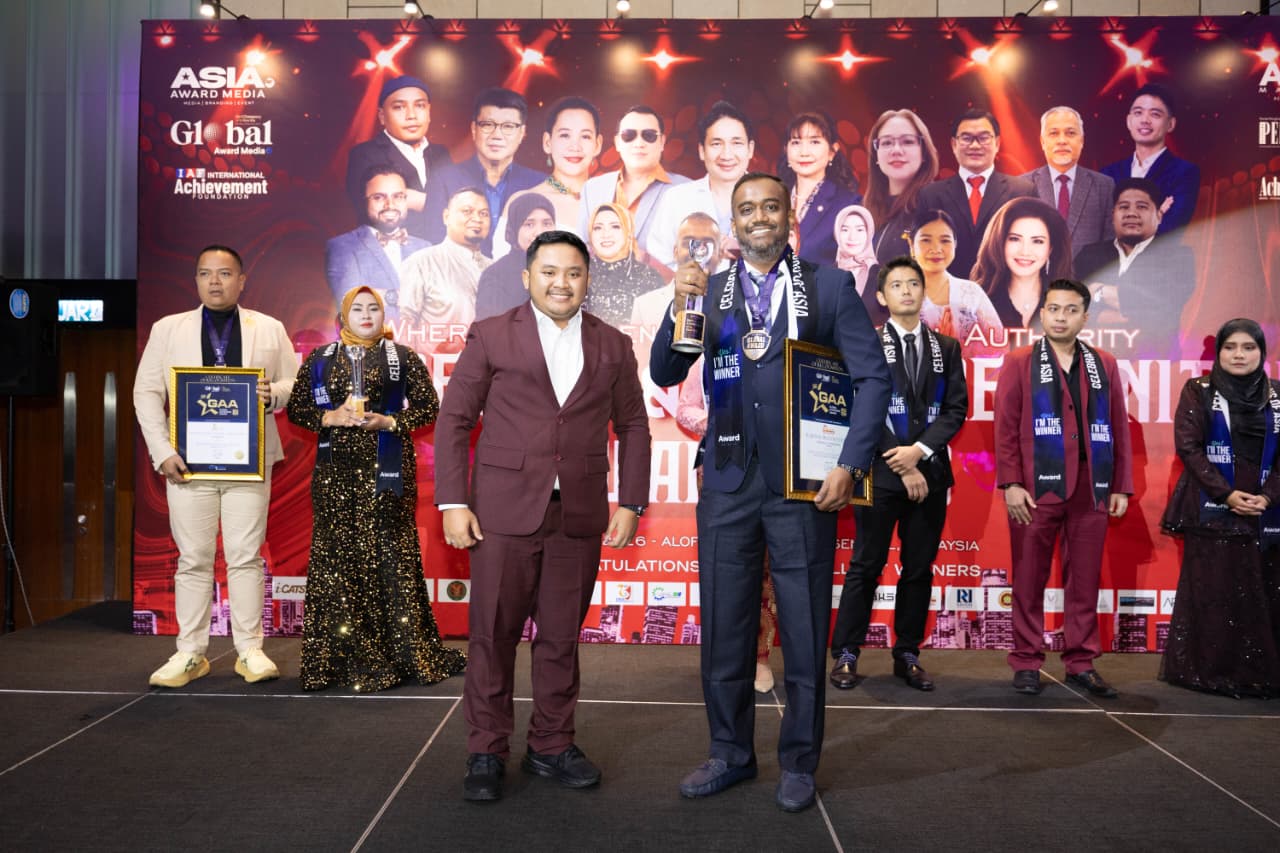
Within this context, the recognition of Dineshraj A/L R Subramaniam, Director of Railway Briyani Station, at the Asia Prestige & Global Recognition 2026 reflects a broader regional narrative. Held in Kuala Lumpur on May 2, 2026, the event acknowledged his contribution through the Global Achievers Award 2026 under the category Global Excellence in Authentic Briyani & Cultural Dining Experience.
ASEAN countries have spent the past decade strengthening cultural tourism strategies, with culinary experiences emerging as a key pillar. Malaysia, Thailand, Indonesia, and Singapore continue to position traditional cuisine as part of destination branding efforts designed to attract international travelers seeking authenticity.
Railway Briyani Station represents this shift toward cultural-based hospitality. By preserving authentic briyani traditions while adapting to modern dining expectations, the brand aligns itself with broader regional trends emphasizing heritage preservation through commercial innovation.
From a policy perspective, culinary businesses increasingly contribute to soft power development. Authentic dining concepts help strengthen cultural visibility while supporting local supply chains, tourism ecosystems, and employment opportunities.
Dineshraj’s leadership demonstrates how private-sector initiatives can complement broader tourism and cultural objectives. His approach reflects an understanding that cultural preservation and commercial growth do not need to exist in opposition—they can reinforce one another when managed strategically.
The recognition also signals a growing appreciation for businesses that integrate cultural authenticity into sustainable brand development. In a highly competitive regional market, identity-driven dining concepts are becoming important differentiators.
As Asia continues to redefine tourism competitiveness beyond infrastructure alone, cultural experiences will remain central to long-term regional positioning. In this evolving environment, leaders capable of transforming tradition into internationally recognized value will play an increasingly important role.